

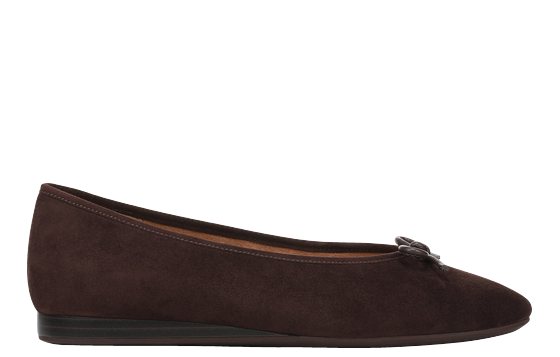

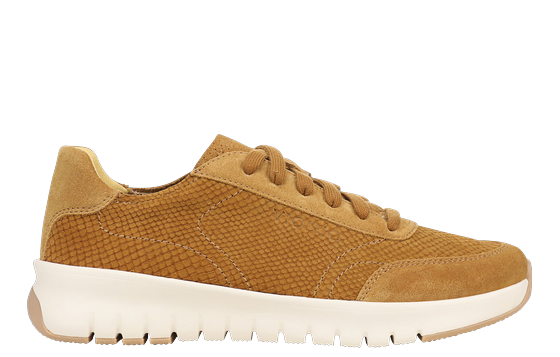
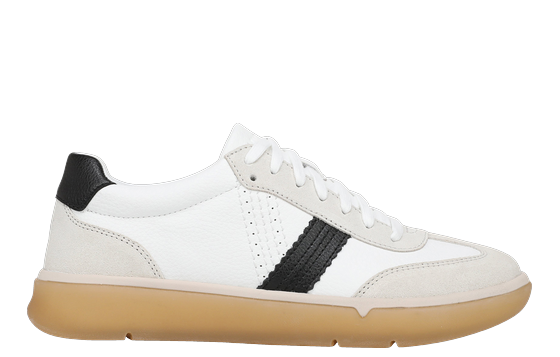


When it comes to shoemaking, what’s on the inside and outside truly counts. We often fall head over heels for the design, but after taking a closer look, you might realize that the material might just be the real MVP. Eyeing a breezy summer sandal or hunting down the perfect everyday sneaker?

The upper material affects the style and overall appearance of footwear, while the sole defines comfort and durability. The fabric or finish plays a big role in how your shoes feel, wear, and wow.
So, what are the most common types of shoe materials? Which ones keep your feet cool, cushioned, or weather-ready? We’ve got answers and a few style tips to boot.
In this guide, we’ll walk you through different shoe materials—from leather to canvas to shearling—and break down how each affects comfort, durability, and your day-to-day style. By the end, you’ll be equipped to shop smarter, stride with confidence, and maybe even upgrade your footwear game altogether.
Why the Right Shoe Materials Matter
Shoemaking is an art that requires both skill and the right supplies to create quality footwear. Material isn’t just a fashion choice; it’s a comfort commitment. The best shoe materials work with your lifestyle, support your step, and hold up to your schedule and the weather.
The right sole, heel height, and materials are crucial to support specific footwear needs. Depending on the material, here are some shoe characteristics that could be affected:
- Comfort: Some materials mold to your foot; others provide more structure. The upper material must provide breathability and style, making it suitable for different needs. Choosing wisely can make or break a long day on your feet.
- Durability: A chic look doesn’t mean much if it only lasts a season. The right material will go the distance. Selecting high-quality soles ensures that shoes withstand everyday wear.
- Breathability: Especially key for warmer months or active days—nobody likes soggy socks.
- Climate Compatibility: Rainy city strolls? Dry desert hikes? Match your material to your climate and you’re golden.
How to Choose the Right Shoe Material
With so many shoe materials available out there, how do you know which one’s right for you? Start by asking yourself a few key questions:
-
What’s the weather like where I live?
If you live in a hot and humid area, canvas and knit are your breathable besties. But if it’s cold and damp in your city, leather, rubber, or shearling might be more your speed. -
How often will I wear them?
Daily staples need durable materials like leather or synthetic blends. Special occasion shoes can lean into luxe materials like suede or cork. -
What’s my personal style?
Love a laid-back style? Canvas and knit will keep things casual. But for a more polished look, leather might just be calling your name. -
Do I have foot concerns or need support?
Materials alone don’t make a shoe supportive, but combining smart materials with the right structure, like Vionic’s built-in orthotic support, can make a world of difference.
Remember, the best shoes aren’t just about looks—they’re about how you feel when you’re wearing them. Here’s a more in-depth look at the most common shoe materials you’ll encounter, so you can have confidence, comfort, and a touch of joy in every step:
Leather: Timeless and Tough
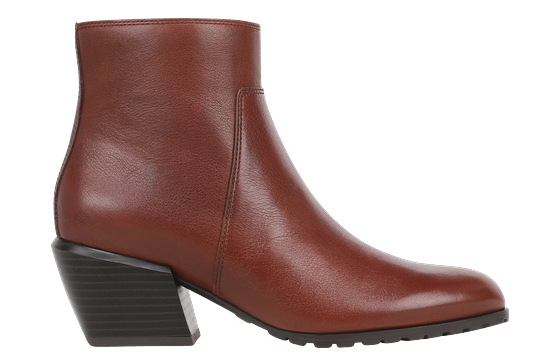
This classic, iconic material never goes out of style. Whether it’s full-grain, top-grain, or nubuck, leather remains one of the most durable and stylish shoe materials on the market.
Why We Love It
- Durable – With proper care, leather shoes can last for years.
- Molds to your foot – Over time, leather softens and conforms for a personalized fit.
- Stylish – It naturally elevates any look, from office outfits to weekend wear.
Best For:
- Cooler climates
- Dress shoes, boots, and structured sandals
- Polished, professional, or elevated casual looks
Try this: Vionic’s leather women’s boots offer sleek style and arch support that goes the distance.
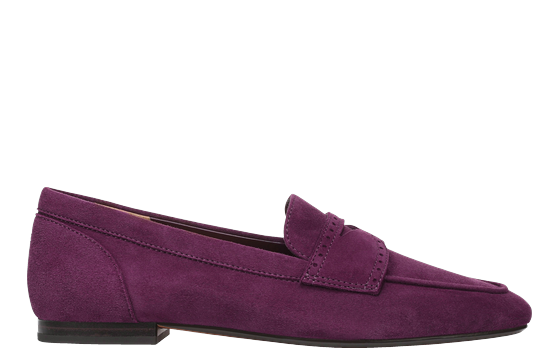
Suede: Soft, Stylish, and Luxe
Suede is leather’s softer-spoken cousin: less rugged, more refined. It brings an elevated texture and depth to footwear, with a buttery finish that adds a little “ooh la la” to your step.
Why We Love It
- Elegant texture – Adds visual interest to simple silhouettes.
- Soft and supple – Comfortable right out of the box.
- Lightweight – Great for transitional seasons like spring and fall.
But watch out for water, because suede is prone to staining. Make sure to apply a suede protector spray to your shoes to prevent damage.
Best For:
- Fall fashion
- Casual-cool boots or slip-ons
- Light wear in dry conditions
Try this: For the soft touch of suede, explore our suede women’s loafers that blend comfort with texture-rich flair.
Canvas: Casual, Cool, and Breathable
Canvas shoes are like your go-to white tee—versatile, breathable, and effortlessly stylish. Typically made from cotton or a cotton blend, canvas is one of the most common and beloved shoe materials for warm-weather wear.
Why We Love It
- Lightweight and breathable – Ideal for sunny days or tropical getaways.
- Vegan-friendly – A great alternative to leather for eco-conscious shoppers.
- Easy to clean – Most canvas shoes are spot-clean friendly.
Best For:
- Spring and summer
- Weekend errands, beach days, and casual hangouts
- Sneaker and espadrille styles
Pro Tip: Canvas shoes can stretch slightly over time, so consider that if you’re in between sizes.
Shearling: Cozy from the Inside Out
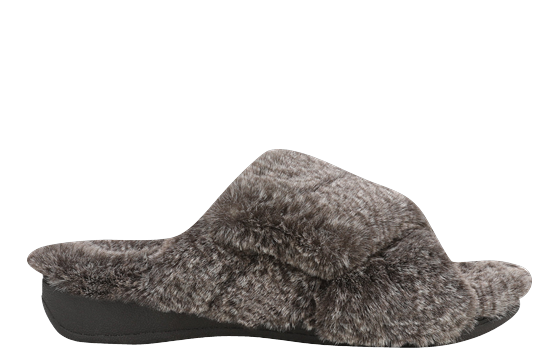
When the temperatures drop, shearling steps in. This plush, fleece-like lining that’s often made from sheepskin or synthetic blends is your secret weapon for warmth and cozy vibes.
Why We Love It
- Insulates like a dream – Keeps your feet warm, even when it’s icy outside.
- Moisture-wicking – Surprisingly good at regulating temperature, so you don’t have to worry about too much sweating.
- Luxurious feel – Perfect for comfy-chic moments.
Best For:
- Winter weather
- Cozy boots and house slippers
- Lounging, layering, or après-ski plans
Try this: If you’re craving comfort during winter, slip into shearling-lined winter-ready women’s slippers that treat your toes to all-day warmth.
Synthetic Materials: Practical and Performance-Driven
Synthetics like polyurethane, nylon, and microfiber might not sound glamorous, but they sure are versatile. These materials are engineered for performance, often used in active shoes or styles designed to resist the elements.
Why We Love It
- Water-resistant: Many synthetics repel moisture better than natural fibers.
- Flexible and lightweight: Great for athletic or travel shoes.
- More affordable: Durable without breaking the bank.
Best For:
- All-weather wear
- Walking shoes, sandals, and sneakers
- Vegans or anyone seeking animal-free materials
Look For: Breathable linings or mesh panels to balance function with foot health.

Knit Uppers: Flexible, Foot-Hugging, and Modern
Knit is having a major moment, and it’s easy to see why. This ultra-flexible, sock-like material creates a close fit without pressure, making it a dream for anyone who’s always on the move.
Why We Love It
- Stretchy and breathable – Adapts to foot shape and keeps air flowing.
- Lightweight comfort – Feels barely there, even after hours of wear.
- Sleek, modern look – Adds an athletic, streamlined feel to any outfit.
Best For:
- Everyday walking or commuting
- Travel or long days on your feet
- Casual sneakers or slip-ons
Try this: Slip into second-skin comfort with our casual knit women’s walking sneakers designed for feel-good flexibility.
Cork: Lightweight Support with a Natural Vibe
Cork isn’t just for wine bottles and vision boards. This eco-friendly material is also a quiet hero in footwear, especially when it comes to footbeds and sandals.
Why We Love It
- Shock-absorbing – Cushions each step with a soft, springy feel.
- Contours over time – Molds to your unique foot shape.
The only possible issue is that cork can dry out, so keep it out of extreme heat or moisture when possible.
Best For:
- Warm-weather sandals
- All-day comfort with a natural feel
- Neutral, earthy style aesthetics
Try this: For sunny days and supportive steps, check out women’s sandals that combine cork comfort with signature Vionic arch support.
Rubber: Grip, Flexibility, and Weather Resistance
You may not think much about rubber until you’re walking in the rain, but when you do, you’ll be glad it’s there. This grippy, waterproof material is often used for the sole of shoes or full-coverage weather boots.
Why We Love It
- Waterproof – Perfect for puddles, storms, or slushy sidewalks.
- Shock-absorbing – Adds extra comfort and bounce underfoot.
- Grippy traction – Reduces slips in tricky conditions.
Best For:
- Rain boots, winter boots, and athletic outsoles
- All-weather wear
- Walking confidently on slick surfaces
EVA (Ethylene Vinyl Acetate): Cloud-Like Cushioning
EVA is a high-tech material with a soft heart. Lightweight and bouncy, this foam-like compound is often found in midsoles, giving your shoes that “walking on air” feeling.
Why We Love It
- Featherlight – Won’t weigh you down, even on long walks.
- Cushioned comfort – Provides impact protection and arch-friendly support.
- Versatile – Used in sandals, sneakers, slides, and more.
Best For:
- Active lifestyles
- Travel days with lots of walking
- Anyone seeking plush underfoot feel
Shop Smarter with the Right Shoe Materials at Vionic
Understanding different shoe materials can make you a more confident shopper and a happier walker. From breathable canvas to luxe leather to springy EVA, every material has its own strengths. And when paired with Vionic’s feel-good features? That’s style and substance in perfect stride.
To give you more insight into finding the perfect pair, check out the average shoe size for women to learn more about shoe sizes and step up your fit game.
