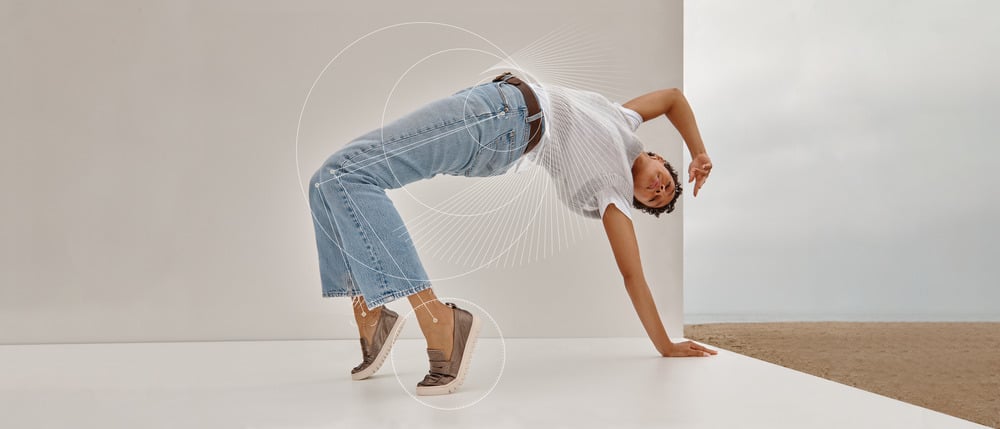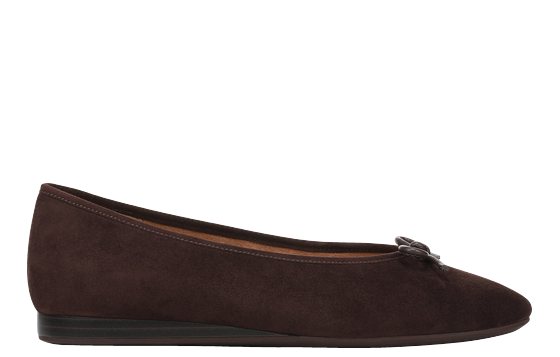

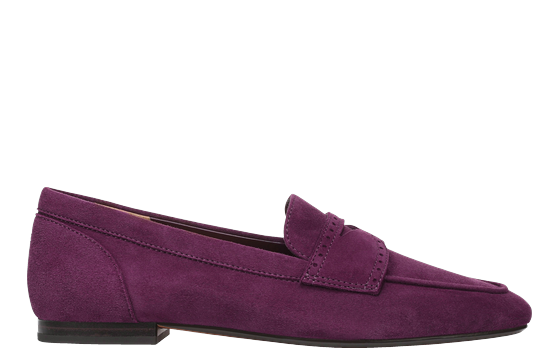
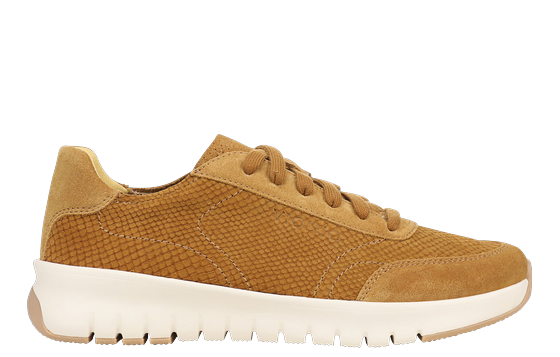
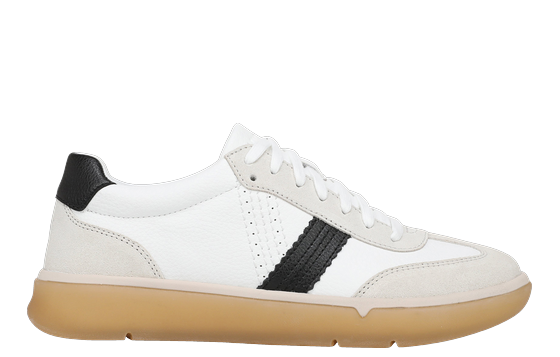
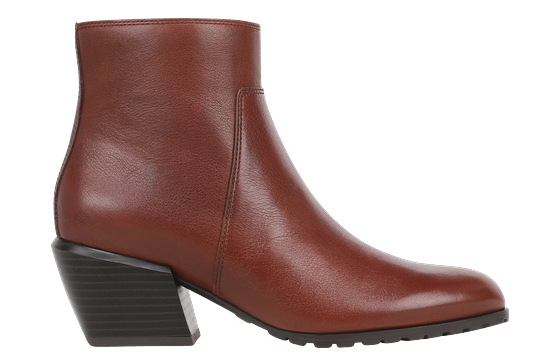
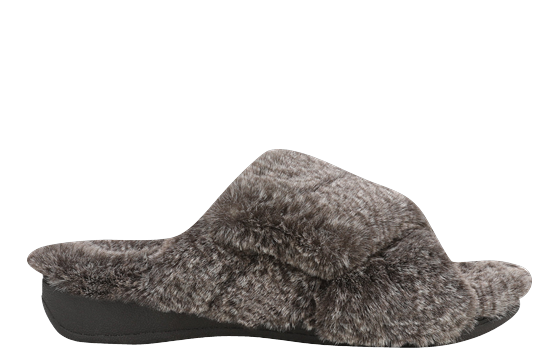


You know the feeling: you spot the perfect pair of shoes—dreamy color, just the right heel height, and maybe even on sale. But then comes the moment of truth: What size do I order?

Finding your ideal shoe size can feel like a game of trial and error, especially when sizing seems to vary between different brands and styles. So, what is the average shoe size for women these days? And how do you find your best fit when your feet don’t quite follow the so-called “average?”
In this guide, we’ll explore what the average shoe size for women really is (hint: it’s not a one-size-fits-all answer), how it has evolved over time, and how to shop smarter for a fit that feels like it was made for you.
What Is the Average Shoe Size for Women?
Globally, countries each have their own average ranges, but a common thread is that the United States has seen a clear increase over the years. According to various U.S. footwear studies and retail data, the average shoe size for women is between 8.5 and 9.
That’s up from about a size 7 to 7.5 just a few decades ago. While this may sound like a small shift, it actually reflects broader changes in lifestyle, nutrition, and overall health—factors that quite literally impact how we grow from head to toe.
But before you start comparing shoe racks with your friends, remember: averages are just that—averages. Plenty of women wear smaller or larger sizes, and there’s no such thing as a “right” size for everyone. Your perfect fit is whatever makes your feet feel supported, stable, and stylish.
Why Has the Average Shoe Size Changed Over Time?
A few generations ago, size 6 or 6.5 reigned supreme on the sales floor. Fast-forward to today, and women’s shoe sizes have inched upward right along with average height and weight trends.
So, what’s behind the growth spurt? Here are a few possible reasons:
- Nutrition: Better access to nutrient-rich food during key growth periods has contributed to taller frames and longer feet.
- Lifestyle Shifts: As physical activity and sports participation increased among women in recent decades, strong foot development followed suit.
- Footwear Evolution: Let’s be honest—many of us grew up wearing shoes that were more about fashion than function. Over time, uncomfortable styles can actually alter foot shape or lead to conditions that influence sizing preferences.
What Factors Influence Women’s Foot Size?
If you’ve ever wondered why your feet are a size 9, and your sister’s feet are a 6, here’s a peek at the behind-the-scenes factors that shape foot size:
1. Genetics
Like eye color and curly hair, foot size tends to run in the family. Your bone structure, toe length, and even arch type can all be passed down through generations.
2. Height & Weight
Taller individuals typically have longer feet to support their frame. Similarly, weight distribution affects foot width and arch support needs—which can influence shoe size.
3. Age
Feet can flatten and lengthen with age. The ligaments and tendons that support your arches may loosen over time, often resulting in a slightly larger size.
4. Pregnancy
Growing a human comes with all kinds of body changes—including your feet. Hormonal shifts, weight gain, and fluid retention can lead to a noticeable increase in shoe size during and after pregnancy.
5. Activity Level
Runners, dancers, and athletes often see changes in foot shape and size due to repetitive motion, muscle development, and wear-and-tear over time.
What Factors Influence How a Shoe Feels?
Here’s where things get a little tricky: Shoe size alone doesn’t guarantee a good fit. Two women might both wear a size 8, but one may have a wide forefoot while the other has a high instep. Various shoe sizing systems complicate the matter further. That’s why foot shape matters just as much as foot length.
Here are some common factors that influence how a shoe feels on your foot:
- Width – Standard women’s shoes are typically a B width, but many women actually need a wide (D) or narrow (AA) fit.
- Arch Type – High arches, flat feet, and everything in between can change the way a shoe supports your stride.
- Toe Box Shape – If you’ve got longer toes or bunions, you’ll want to pay attention to the front of the shoe—and avoid anything that feels cramped.
At Vionic, we take all these details into account with every design. From our ergonomic footbeds to generous toe boxes and multiple width options, our shoes are built to fit real feet—not just standard size charts.
Tips on Finding Your True Shoe Size (and Your True Fit)
Ready to decode your size once and for all? These steps can help you not only determine your shoe size but also choose styles that cater to your needs:
Measure Both Feet
Your feet might not be identical twins. Measure the length and width of both, and go with the larger measurement when choosing shoes.
Measure at Day’s End
Feet naturally swell throughout the day, so measure in the evening for the most accurate size.
Check the Fit, Not Just the Size
Try shoes on with the socks or inserts you plan to wear. Make sure there’s a finger’s width of space at the toe, and that nothing pinches or rubs.
Don’t Be Afraid to Size Up or Down
Different brands and styles can run differently. What matters most is how the shoe feels when you move.
Choosing the Right Shoe Style for Your Foot Shape
Your feet are unique. Understanding your foot’s measurements can determine how shoes will fit across different brands and styles. And just like certain cuts of jeans flatter different body types, certain shoe styles are more comfortable and supportive for specific foot shapes. Here’s how to match your foot type with the right silhouette:
Flat Feet or Low Arches
You’ll want shoes with plenty of arch support to prevent overpronation (aka when your foot rolls inward too much). Look for structured footbeds with built-in orthotic support, sneakers like our women’s walking sneakers, or supportive sandals with contoured soles.
High Arches
High arches can cause pressure to concentrate on the heel and ball of your foot. Cushioning is key. Choose footbeds with enhanced shock absorption, women’s boots with arch contouring and heel support, and padded sandals that evenly distribute pressure.
Wide Feet or Bunions
If you have these considerations, tight shoes are not your friends. Go for styles available in wide widths, soft uppers that mold to your foot shape, and rounded or square toe boxes (avoid pointy toes!).
Narrow Feet
You’ll need a snugger fit to prevent sliding around. Look for adjustable straps and laces for a custom fit, sneakers with a firm heel counter, and women’s sandals with multiple points of adjustability like hook-and-loop closures.
No matter your foot shape, every Vionic shoe is designed to combine comfort and style, so your feet can feel as good as they look.
Common Shoe Fit Mistakes and How to Avoid Them
Even the most fashion-savvy among us can fall into the trap of wearing shoes that aren’t quite right. Here are a few common missteps that can throw off your comfort game—and how to sidestep them.
Mistake 1: Sticking to One Size Forever
Feet change over time. Pregnancy, weight shifts, aging, and activity levels can all alter your true size. It’s smart to re-measure once a year.
Mistake 2: Prioritizing Style Over Fit
We get it—those sky-high heels are calling your name. But cramming your feet into a shoe that’s too tight or too flat can cause long-term issues like bunions or plantar fasciitis. Choose shoes that look good and feel great.
Mistake 3: Ignoring Width
A shoe that fits lengthwise but squeezes at the sides is still a bad fit. Always consider both length and width for true comfort.
Mistake 4: Wearing the Wrong Style for the Activity
Running errands in flip-flops? Hiking in fashion boots? Your feet will let you know if your shoes aren’t pulling their weight. Match the shoe to the moment.
Vionic: Your Partner in Fit and Function
At Vionic, we believe shoes should do more than complement your outfit. They should support your lifestyle. That’s why every pair is designed with Vio-Motion™ Technology, which provides:
- Arch-hugging support to align your body
- Shock-absorbing soles for lasting comfort
- Biomechanically engineered footbeds approved by podiatrists

Stride into Fit, Function, and Style with Vionic
The average shoe size for women might be helpful as a starting point, but your perfect size is the one that works for you. It doesn’t matter if you’re a petite 5 or a statuesque 11—what matters most is how your shoes make you feel.
Whether you’re shopping for weekend-ready platform sandals, weather-ready shoes, or everyday casual sneakers, you can count on Vionic to deliver the fit, function, and style your feet deserve. And if you’re still unsure of your size, our Fit Finder tool and easy return policy make trying a new size or width totally stress-free.
So go ahead, take the time to measure, explore styles that support your foot shape, and treat your feet like the everyday heroes they are. For more tips on how to love your feet, learn more about the most versatile shoes and step into more comfort, one stride at a time.
Sources
- Healthline. What Is the Average Shoe Size for Women?. https://www.healthline.com/health/average-shoe-size-for-women
- Proceedings of the National Academy of Sciences. Nutrient-dense foods and diverse diets are important for ensuring adequate nutrition across the life course. https://www.pnas.org/doi/10.1073/pnas.2319007121
- Women’s Sports Foundation. Title IX and the Rise of Female Athletes in America. https://www.womenssportsfoundation.org/education/title-ix-and-the-rise-of-female-athletes-in-america/
- Foot Specialists of Birmingham. The Side Effects of Wearing Tight Shoes. https://bhamfoot.com/the-side-effects-of-wearing-tight-shoes/.