



Plantar fasciitis is a dull to severe pain in your heel caused by a strain and inflammation of your plantar fascia. The plantar fascia is a scientific name for ”foot tissue.“ This particular tissue is a ligament attached at one side to the heel bone. On the other side, the tissue fans out to attach at the base of each of your five toes. Plantar fasciitis is the name for the condition that develops when that tissue becomes inflamed. When the plantar fascia is excessively stretched, micro-tears can occur, causing this swelling and subsequent pain.
CAUSES OF PLANTAR FASCIITIS
SYMPTOMS OF PLANTAR FASCIITIS
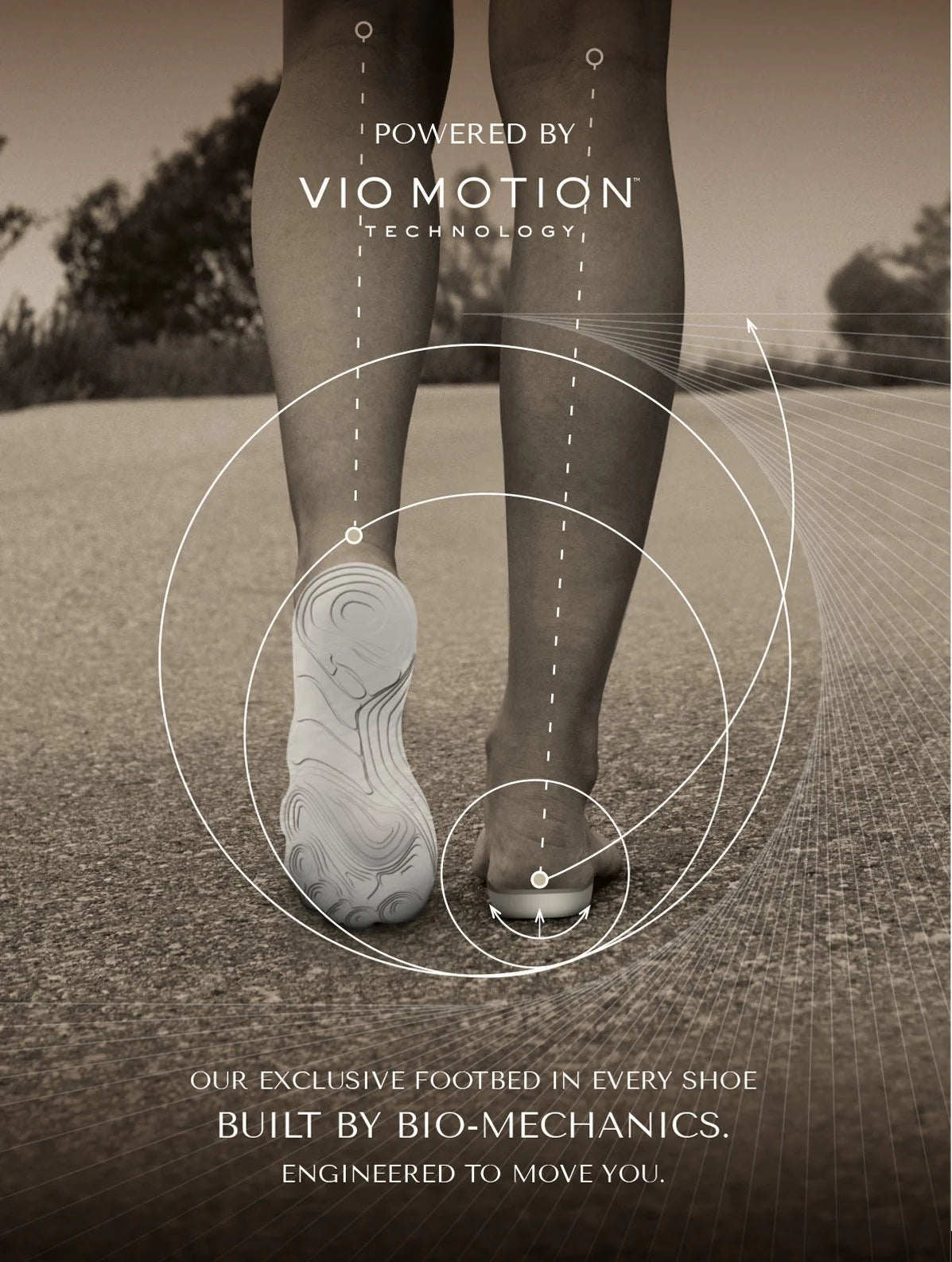
POWERED BY
VIO MOTION™ TECHNOLOGY
Our exclusive footbed in every shoe, built by bio-mechanics. Engineered to move you.

CUSHIONING

ARCH SUPPORT

STABILITY

FLEXIBILITY
HOW CAN VIONIC SHOES HELP YOU?
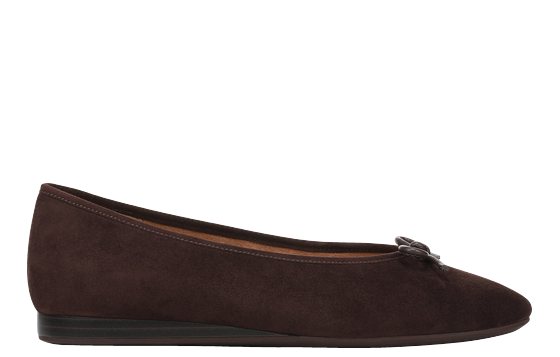
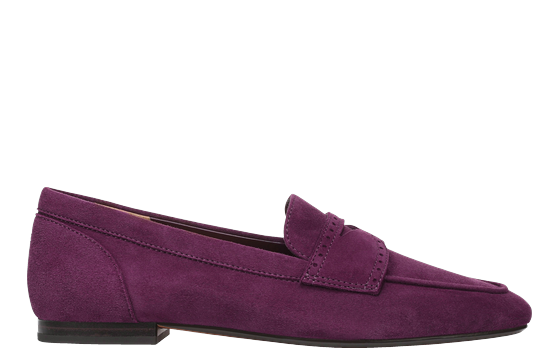
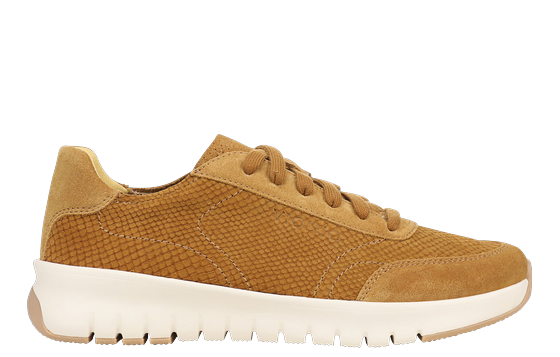
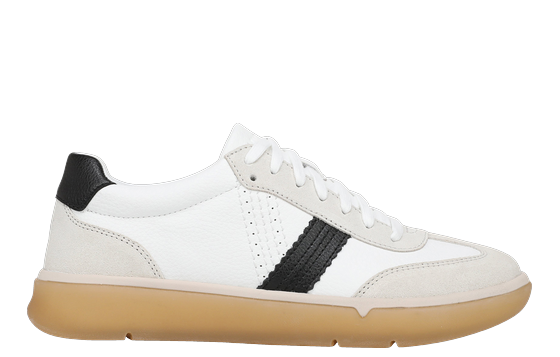
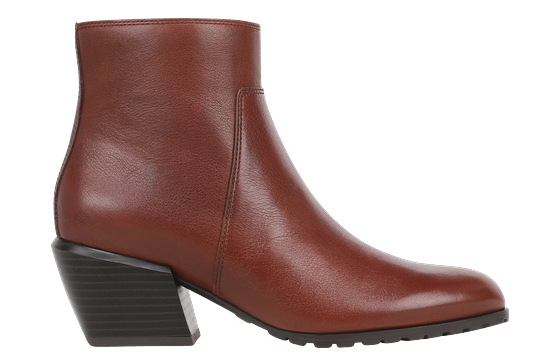
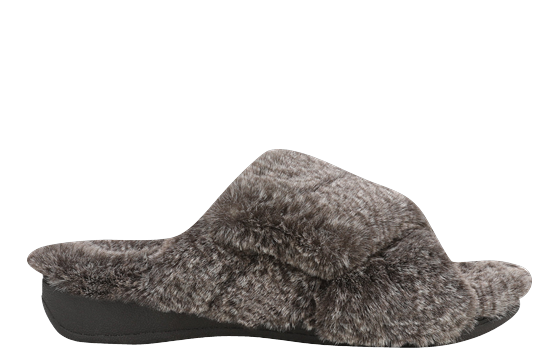
Foot pain from wearing the wrong shoes should not hold you back from your next adventure. Whether you are looking for comfortable shoes for all day wear, comfortable men’s dress shoes, women’s casual sneakers, or even a pair of flip flops, Vionic offers a number of fashionable shoes designed specifically for plantar fasciitis support.
HOW TO FIND RELIEF
Five Healthy Tips for Preventing or Reducing Plantar Fasciitis
1. BREAK THE CYCLE WITH SUPPORTIVE FOOTWEAR
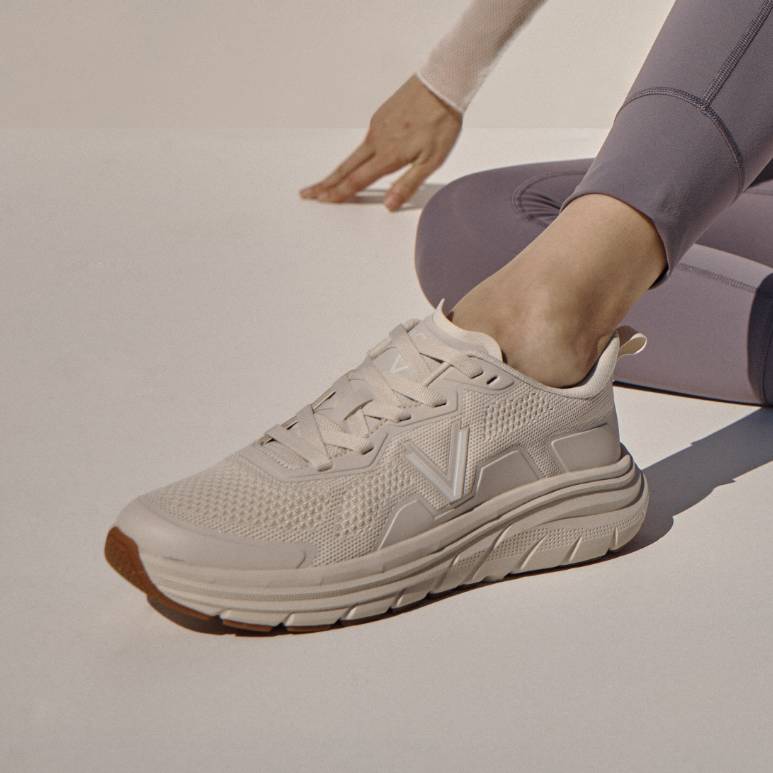
Wearing supportive orthopedic shoes or insoles (orthotics) is an easy, effective method of naturally realigning the foot. A groundbreaking study shows Vionic sandals effectively alleviate heel pain. Worn consistently throughout the day, orthotic shoes with arch support are a great first step in the short‑term treatment of plantar fasciitis.

2. STRETCH REGULARLY
Keeping your calf muscles limber helps to reduce the strain on the plantar fascia. To stretch your calves and Achilles tendon, stand on the edge of a step, resting your weight on the balls of your feet. Bend your knees for 25 seconds and then straighten. Perform up to five repetitions whenever tightening occurs.
Learn effective stretches here.

3. PRESERVE YOUR ARCH WITH EXERCISES
While seated and barefoot, squeeze your foot as if you have a small marble under the ball of your foot. If you just happen to have a few marbles handy, you can actually practice picking them up between your toes and ball of your foot – and then set them down again. This stretches and helps strengthen the muscles that run under metatarsals (the longest bones in the foot which create its arched shape).

4. SLOWLY INCREASE PHYSICAL ACTIVITY
If you’re a runner, a tried and true method of preventing over-use injuries is to only increase your mileage by 10% weekly, max. If you’re new to a walking program, the same caution should be exercised.

5. ICE AND REST
After mild stretching, use a frozen water bottle to roll under the arch of your foot for 10-20 minutes or apply a cold pack to the bottom of your heel. It may be possible to make an active recovery by wearing Vio Motion technology to keep your feet naturally aligned, therefore reducing strain on the plantar fascia, while moving throughout your day.