


Whether you’re a morning walker, a treadmill runner, or somewhere in between, one thing’s clear: movement matters. But when it comes to shedding pounds and boosting your fitness, the debate between walking and running is a hot issue. Which exercise is better? Which burns more calories? And which one fits more easily into a busy life?

Both camps have passionate advocates. Runners swear by the intensity and high calorie burn, while walkers appreciate a steady approach to reaching their goals. Both sides make convincing arguments.
The best choice ultimately depends on you . Your goals, body, and life circumstances all affect whether walking or running will help you lose weight. Remember that weight loss isn’t one-size-fits-all; thankfully, multiple paths can lead you in the right direction. In this article, we’ll discuss the merits of walking versus running for weight loss to help you decide which exercise is right for you.
How Weight Loss Works
Women need at least 1,600 calories per day to maintain their weight, whereas men need at least 2,000 calories. Age, weight, and health affect this number, but these are good baselines to remember since weight loss occurs when you create a calorie deficit.
Experts recommend a deficit of 300-500 calories less than your baseline to lose around 1 pound per week. So, if you want to lose weight, you need to eat fewer calories or burn them through exercise.
Walking vs. Running — The Great Cardio Debate
There’s no shortage of opinions when it comes to walking or running for weight loss, and that’s because both exercises bring something to the table. The truth? Each one has its own unique set of benefits, and neither is naturally better, just different.
Why both are effective for weight loss
Walking and running are both aerobic activities that increase your heart rate, boost metabolism, and help you burn calories. They use similar muscles, improve cardiovascular health, and can be customized based on your fitness level.
The main difference here lies in intensity. Running generally has a higher impact and a greater calorie burn per minute, while walking offers a more sustainable, low-impact option that’s easier on your joints. In short? Both are effective. It’s all about how you use them.
Understanding your personal fitness needs and goals
Before choosing a side in the walking vs. running debate, take a moment to assess what you really need. Ask yourself:
- Are you just starting out, or looking to level up?
- Do you prefer short, intense workouts — or longer, gentler ones?
- Are you recovering from an injury, or managing joint sensitivity?
- What kind of routine actually feels realistic for your schedule?
Walkers may find comfort in consistency, while runners often thrive on intensity. The key is to match your exercise plan with your life, not the other way around.
Which one is easier to stick with?
There’s no right or wrong answer here. The best workout is the one you’ll actually do. And when it comes to long-term success, walking wins big for many people. It’s easier to start, easier to sustain, and far less likely to result in burnout or injury.
That’s not to say running can’t be fun and fulfilling, it absolutely can be! But for those juggling packed calendars and unpredictable days, walking is a more accessible way to stay consistent and lose weight over time.
How Each Exercise Impacts Weight Loss
Weight loss is a simple concept wrapped in a complex reality: burn more calories than you consume, and your body begins to let go of fat. But how much you burn, and how fast, depends heavily on how you move.
Factors Affecting Calorie Burn
How do you create a calorie deficit with walking or running for weight loss? Several factors influence how you lose weight and burn calories:
- Weight – Larger bodies require more energy to move, so they burn more calories when walking and running.
- Workout intensity – Hills, speed intervals, and a slightly out-of-breath pace all increase your calorie burn.
- Metabolism – Everyone’s metabolic rate differs, affecting how efficiently you burn calories during and after exercise.
- Muscle mass – More muscle mass boosts your metabolism and burns more calories at rest.
- Diet – While you want to remain in a calorie deficit, you can’t out-exercise a poor diet. Rather than sugars and empty carbs, fuel your body with protein and fiber-rich foods to aid your weight loss and energize you for each workout.
How Many Calories Does Running Burn?
The average person burns about 100 calories per mile when running. Depending on your pace, you could knock out a 10-minute mile and burn 300 calories in half an hour, or take a more leisurely 15-minute mile approach and still burn 200 calories.
Running also comes with a bonus called EPOC (Excess Post-Exercise Oxygen Consumption). This “afterburn effect” causes your body to burn extra calories for hours afterward, adding anywhere from a 6% to a 15% increase in calorie burn.
How Many Calories Does Walking Burn?
Many people ask: Is walking enough for weight loss? And the answer depends on your pace, frequency, and overall lifestyle. The amount of calories burned when walking a mile depends on a person’s weight and pace. Generally, a 140-pound person can expect to burn 74 calories in a mile at a moderate walking pace, with the rate rising and falling depending on the respective weight.
While a single walking session might not match running’s burn rate, the fact that you can walk consistently (and often multiple times a day) means those calories add up fast.
Fat-burning potential and intensity
While running burns more calories in less time, walking is usually done for longer periods, which can actually lead to more fat-burning. Some studies have shown that low-to-moderate-intensity activity, like walking at a brisk pace for 45–60 minutes, taps more fat storage efficiently than short, high-intensity bursts.
That means a 60-minute walk may burn fewer total calories than a 30-minute run, but it may burn a greater percentage of fat, especially when done consistently.
What role does muscle engagement play?
Muscle activation matters too. Running involves higher impact, which engages your glutes, quads, calves, and core more forcefully. Over time, that can help you build lean muscle, which in turn helps you burn calories while you rest.
That said, walking, especially on an incline, or with added intervals, can also activate the same muscle groups in a safer, more joint-friendly way. And that’s where form, duration, and footwear come into play.
Tips to Increase Calorie Burn
Try these tips to boost the calories you burn in a single walking or running session:
- Incorporate inclines, whether that means choosing a hilly neighborhood route or cranking up the treadmill incline.
- Try interval walking or running: alternating between a faster and slower pace to challenge your cardiovascular system.
- Track your steps to meet a consistent goal without it feeling like work. This method can encourage you to park at the back of the lot or take a quick lunch break walk to reach that 10,000th step every day.
How Walking and Running Impacts Your Body
Your choice between walking and running affects more than just your daily calorie burn. Let’s explore what each exercise does for your body.
How Running Affects the Body
Running transforms your body in some impressive ways, delivering benefits that go far beyond the calorie burn:
- Improved cardiovascular health and lower resting heart rate
- Improved memory and focus
- Stress relief due to endorphins released during runs
- Improved knee and back health
- Boosted immune system
- Better mood and higher energy
- Increased strength
If you’re new to running, have joint issues, or are returning from an injury, ease into it slowly. Your enthusiasm may be ready for a 5K, but your body might need a few weeks to catch up.
While running has its undeniable benefits, improper preparation can lead to injury. This is because runners hit the ground with 2.5 to 3 times their body weight on every foot strike.
The good news is that most running problems can be prevented with proper footwear, gradual training, and strong attention to correct form.
Running also requires recovery time between intense sessions, especially for beginners. Plan 4-5 running days per week, but mix less-intense runs between your more strenuous efforts. This recovery method gives your muscles time to repair after an intense workout and makes them stronger over time.
How Walking Affects the Body
Walking might seem simple, but it comes with its own incredible health benefits:
- Lubricates and protects your joints
- Improves cardiovascular fitness
- Prevents heart disease, stroke, high blood pressure, and type 2 diabetes
- Improves mood and relieves stress
- Promotes better balance
- Preserves lean muscle mass
- Suitable for all fitness levels, no matter your age or experience
Some people may want faster strength gains or more dramatic results than walking offers on its own. Fortunately, you can increase the intensity of your walk without needing to break out in a full run. Try weighted vests, interval walking, increasing your daily steps, or walking at an incline for a more challenging workout.
Pros and Cons of Walking for Weight Loss
Joint-friendly and beginner-safe
One of walking’s biggest perks? It’s gentle on your joints. For people recovering from injury, dealing with arthritis, or just adjusting back into physical activity, walking is a safe way to reintroduce movement and get your heart pumping. There’s also lower risk of injury compared to running, especially for those new to exercise or carrying extra weight.
More sustainable for long-term habits
Walking is simple, free, and doesn’t require fancy gear or a gym membership. You can do it around your neighborhood, between meetings, during a phone call, or while catching up on a podcast.
The accessibility of walking makes it an ideal habit-builder, and when paired with good shoes and a clear fitness plan, it can lead to significant weight loss over time.
How walking fits into a busy lifestyle
If you’re constantly running between work, errands, and school pickups (but not literally running), walking fits in seamlessly. It’s easy to start with 10-minute walks, build up to 30-minute strolls, and gradually increase to daily mile-long routes.
Better yet? You can sneak in extra steps by parking farther away, walking during calls, or taking the stairs, all of which can help increase your calorie burn throughout the day.
Pros and Cons of Running for Weight Loss
Higher calorie burn in less time
The main reason many people turn to running for weight loss is its efficiency. You can burn more calories in a shorter period, which is great if you’re strapped for time and want to squeeze in a high-intensity workout. Just 20–30 minutes of steady running can give you the same calorie output as an hour-long walk.
Greater cardiovascular intensity
Running pushes your heart rate higher, which improves cardiovascular fitness and builds endurance more quickly than walking. That intensity can increase your VO2 max (a fancy term for how much oxygen your body uses during activity), which is a great marker for overall fitness.
It also releases feel-good endorphins (hello, runner’s high!), which can help you stay motivated and mentally refreshed.
Risks of burnout and injury
However, all that intensity comes with a tradeoff: higher risk of injury, especially if you’re not wearing the right shoes, skipping recovery, or upping your distance too quickly. Common issues include shin splints, runner’s knee, and IT band pain.
Over time, this can lead to frustration and burnout, especially if you’re pushing harder than your body’s ready for. The best approach? Ease in slowly, listen to your body, and don’t skimp on supportive footwear (more on that soon).
Which One Should You Choose?
So, when it comes down to it, walking or running for weight loss, which should you choose? The answer depends on your lifestyle, your body, and your personal preferences. There’s no one-size-fits-all solution, but there are some helpful ways to decide what’s right for you.
Matching your goals, schedule, and body
If your goal is to lose weight, build sustainable fitness habits, and minimize stress on your joints, walking might be your best bet. It’s gentle, adjustable, and easy to sneak into your daily routine.
But if you’re short on time, love a sweaty workout, and are ready to tackle something more intense, running might give you that calorie-burning edge.
The key is to assess what feels manageable, and enjoyable, long term. Some people thrive on high-intensity cardio. Others find freedom in a peaceful, head-clearing walk. And both options offer incredible health benefits.
Why consistency beats intensity over time
It’s tempting to chase quick results, but sustainable success always comes back to consistency. A few brisk walks a day, five days a week, can be more effective than a sporadic run followed by a week of rest and recovery.
Remember: It’s not about running fast, it’s about running (or walking) often. A routine that makes you feel strong, energized, and supported is the one you’ll stick with. And that’s what drives real change.
Mixing both for the best of both worlds
Why not have your cake and walk, or run it off, too?
Combining walking and running into an interval routine (like alternating a 2-minute jog with a 3-minute walk) can maximize fat burn, build endurance, and keep your workouts interesting. It’s also a smart way to work up to longer runs while giving your muscles and joints time to adjust.
If you’re looking for a fresh training plan, try starting with minutes walks on rest days and gradually add in short runs on alternating days. The result? An energetic, well-balanced approach that helps you lose weight, stay motivated, and reduce injury risk.

Support Starts from the Ground Up — Why Footwear Matters
Whether you’re walking or the best shoes for working out should provide stability, shock absorption, and a design suited to your specific activity.
Proper alignment for walking and running
Walking and running involve different levels of impact and muscle activation, but both demand proper alignment. Without it, you risk throwing off your gait, straining your knees, and even affecting your posture.
The best way to support your stride? Choose shoes that are designed with biomechanical wellness in mind — cushioned, flexible, and supportive in all the right places.
Key features to look for in performance shoes
Here’s what to prioritize when shopping for running or walking shoes that help you feel your best:
- Arch support that matches your foot shape
- Shock-absorbing soles to reduce stress on joints
- Breathable uppers to keep feet cool and dry
- Cushioned midsoles to soften every step
- Durable outsoles for traction and stability
- Wide-fit options for a comfortable, non-restrictive feel
With the right pair, your calorie-burning routine becomes a whole lot more comfortable—and sustainable.
How Vionic designs shoes that support your every stride
At Vionic, we don’t believe you should ever have to choose between style and support. Our walking shoes for weight loss are built with Vio Motion technology , delivering podiastrist-designed footbeds, arch support, and heel stability that keep you moving with confidence.
Walking Shoes
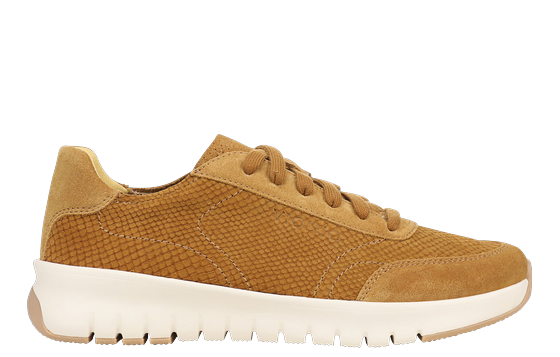
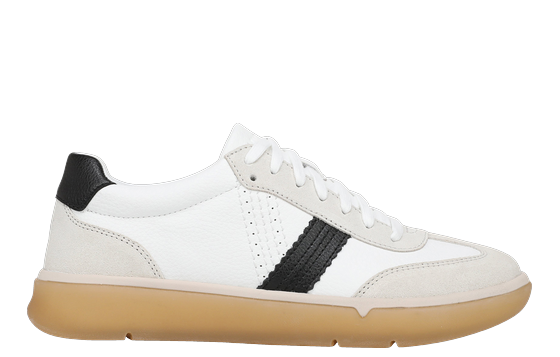
If you’re looking for the perfect walking shoe, the Walk Max Lace Up Sneaker and Walk Max II Lace Up Sneaker provide a more casual silhouette with breathable upper knit and durable outsole. This keeps you stable and balanced all day.
Walking Sneakers
From casual everyday walkers to women’s comfortable walking sneakers that can handle training sessions, our designs help you stay aligned and reduce stress on your body, so you can focus on crushing your fitness goals.
Walking Sandals
More serious walkers looking for lasting performance can rely on the Walk Strider Knit Sneaker . This technical shoe is built for a stable gait, superior flexibility, and high rebound to keep you moving forward, no matter how far you have to go.
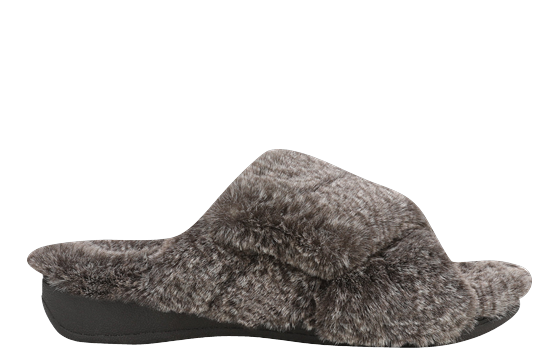
If you need a more casual walking shoe, try the Walk Max Wanderer Sandal or the Rejuvenate Recovery Slide Sandal . These walking sandals are lightweight, flexible, and easily adjustable for a personalized, comfy fit.
Step Into Your Fitness Goals with Vionic
Explore walking and running shoes with built-in support
Ready to turn your walking or running routine into something you look forward to? Start with shoes that actually help. Our walking shoes are ideal for long-distance movement, offering structured comfort that cushions every step. Our active sneakers provide the kind of performance-grade support you need for higher intensity workouts like running or intervals.
Shop Vionic’s collection for a lighter, more confident stride
Wherever your movement journey takes you, short walks, long runs, recovery strolls, or
sweaty sprints, Vionic has the footwear that fits.
Slip them on, feel the support, and know you’ve got style, science, and wellness on your side. Because no matter how you move, your journey deserves a shoe that moves with you.
Sources:
Healthline. How Many Calories Should You Eat Per Day to Lose Weight? https://www.healthline.com/nutrition/how-many-calories-per-day#calorie-cutting-tips
Healthline. What is a Calorie Deficit and How Much of One is Healthy? https://www.healthline.com/nutrition/calorie-deficit
Medicine & Science in Sports & Exercise. Greater Weight Loss from Running than Walking during a 6.2-yr Prospective Follow-up. https://journals.lww.com/acsm-msse/fulltext/2013/04000/greater_weight_loss_from_running_than_walking.13.aspx
Medline Plus. Muscle cells vs. fat cells. https://medlineplus.gov/ency/imagepages/19495.htm
Healthline. How Many Calories Do You Burn Running a Mile. https://www.healthline.com/health/fitness-exercise/running-burn-calories-per-mile#per-mile
Cleveland Clinic. What Is EPOC? (And Why It Matters). https://health.clevelandclinic.org/understanding-epoc
Very Well Health. How Many Calories Do You Burn Walking a Mile? https://www.verywellhealth.com/calories-burned-walking-a-mile-8548541
Healthline. How Many Calories Do You Burn While Walking? https://www.healthline.com/health/calories-burned-walking#stay-motivated
WebMD. Health Benefits of Running. https://tcomn.com/running-shoe-myths/
Twin Cities Orthopedics. Running Shoe Myths. https://tcomn.com/running-shoe-myths/
Trailrunner. Rest Days and Recovery Runs: What You Need to Know. https://www.trailrunnermag.com/training/injuries-and-treatment-training/rest-days-and-recovery-runs-what-you-need-to-know
Mayo Clinic. Walking: Trim your waistline, improve your health. https://www.hingehealth.com/resources/articles/is-walking-good-for-arthritis-in-the-knee/
Harvard Health.The right shoe for walking and running. https://www.health.harvard.edu/staying-healthy/the-right-shoe-for-walking-and-running