


Let’s face it, weight loss advice can feel overwhelming. From high-intensity interval training to meal-prepping marathons, it sometimes seems like “getting fit” requires a complete lifestyle overhaul. But here’s the thing: it doesn’t always have to be so complicated. Sometimes, the simplest step forward, literally, is all you need to start moving in the right direction.

So, let’s answer the big question: Is walking enough for weight loss? Short answer? It can be. With consistency, a bit of strategy, and the right pair of shoes (we know a thing or two about that), walking can absolutely help you reach your weight loss and wellness goals.
We’re here to share all the details on how you can incorporate walking into your lifestyle to build a successful weight loss routine.
How Walking Leads to Weight Loss
How does weight loss work?
Losing weight fundamentally comes down to creating a calorie deficit, meaning you need to burn more calories than you consume. This prompts your body to tap into stored fat for energy, leading to gradual fat loss.
The amount of calories required for weight loss varies depending on age, weight, and activity patterns, but a deficit of 300-500 calories generally does the trick. By maintaining this deficit, you can expect to lose about a pound each week.
How Walking Burns Calories
In a world where intense workouts steal the spotlight, walking often gets underestimated. But don’t be fooled, this low-impact, accessible activity holds its own when it comes to weight loss and improving your overall fitness. Walking is a form of aerobic exercise that’s gentle on the joints and kind to the body, making it ideal for people at any fitness level.
It varies by person, but walking can burn around 65-120 calories per mile when walking at a comfortable pace. This means an hour of steady walking can eliminate over 250 calories from your daily total—nearly half of a 500-calorie deficit goal.
Your exact calorie burn will depend on several key variables:
- Weight – Moving a larger frame requires more energy, naturally increasing expenditure.
- Effort level – Pushing your pace until you’re slightly winded will amplify the calorie burn.
- Metabolism – Some people naturally process energy more efficiently than others.
- Muscle mass – Muscles are metabolically active and consume calories even during rest periods.
- Environmental factors – Inclines or terrain changes require more effort and burn more calories.
The higher the intensity and the longer your walk, the more calories you burn. It’s a simple formula, no extreme routines or fancy equipment needed.
However, it’s important to understand that exercise alone rarely creates a sufficient weight-loss deficit. You’ll want to pair your walking routine with dietary changes to achieve lasting results. Remember to prioritize proteins and fresh produce over processed foods and empty carbs.
Walking vs. Other Forms of Exercise
If you’ve ever participated in a Zumba class, you know that you can practically feel the calories burning off. Comparing the natural, almost meditative practice of walking to heart-thumping, muscle-burning cardio like Zumba might make intense workouts look like the obvious choice for burning fat.
High-intensity exercises like running or HIIT do burn more calories per minute than walking, but calorie burn per session only tells part of the story. And if you’re wondering, “ Is walking or running better for weight loss? ” The answer depends on your fitness level, goals, and consistency. Walking offers unique advantages as a daily exercise because it’s sustainable and requires minimal recovery time between sessions. This can help you build a consistent habit, which is key to reducing weight and keeping it off permanently.
Walking is also accessible for all fitness levels. So, whether you’re a beginner or looking to add a low-impact exercise to your existing routine, walking is the perfect way to get your body moving with virtually no barrier to entry.
The Extra Perks of Your Daily Stroll
Weight loss might bring you to walking, but the additional benefits will keep you coming back. This simple activity delivers whole-body improvements that extend far beyond the number on your scale:
- Joint protection – Each step circulates synovial fluid through your joints while building supportive muscle strength.
- Heart health – Regular walkers significantly reduce their chances of cardiovascular complications, including hypertension and stroke.
- Blood sugar regulation – Walking is often cited for diabetes prevention and management because it helps improve insulin sensitivity.
- Elevated mood – Walking raises endorphins to naturally boost mood, increases blood flow to the brain, and lowers stress hormones like cortisol.
- Improved coordination – Walking strengthens the muscles involved in movement and improves balance to create a steady gait.
These advantages accumulate and reinforce each other: Better cardiovascular health means more stamina for longer walks, improved mood increases motivation, and stronger joints allow consistent daily movement.
How Much Should You Walk for Weight Loss?
Creating an effective walking plan requires balancing ambition with reality. The right amount of walking depends on your current fitness level, available time, and weight loss goals.
Finding Your Sweet Spot
The CDC recommends 150 minutes of moderate-intensity activity weekly for general health maintenance. For weight loss, research suggests increasing this to more than 250 minutes per week. That’s only 35 minutes per day.
However, your optimal walking duration will depend on:
- Your current fitness level
- Time available
- Physical limitations
- Weight loss timeline
- Other exercises in your routine
Tracking Your Steps
Tracking your steps may be a motivating goal than time-based targets. The popular 10,000 steps goal is a solid starting point that many people find attainable.
This approach is also practical because you can see the progress immediately, which can motivate you to take the stairs instead of the elevator, or squeeze in a few extra minutes walking the dog in the morning.
Understanding pace: Brisk vs. casual walking
Not all walks are the same. A casual stroll is lovely, but a brisk pace, typically around 3 to 4 miles per hour, is where you start to see real fitness and fat-burning benefits.
Here’s a quick tip: If you’re able to talk but not sing while walking, you’re probably at a moderate intensity. That’s the sweet spot where your heart rate increases, your calorie burn rises, and your body starts to tap into fat stores for energy.
Creating a Walking Plan for Weight Loss
Success comes from progressive, sustainable increases in walking duration and intensity.
Beginners can start with 15-20 minutes of daily walking. This duration allows your body to adapt without overwhelming your schedule or causing excessive fatigue. Choose environments close to you, like your neighborhood sidewalk, a local park, an indoor mall, or a treadmill.
Remember: Consistency matters more than perfection. Missing one day won’t derail your progress, but one missed week can easily turn into two. Give yourself the grace to accommodate life’s interruptions, and remember that if you fall out of practice, you can start again just by stepping outside your door.
Maximize Your Walking Routine
Once you’ve established a regular walking habit, modifying your walk can increase calorie burn and accelerate weight loss results.
How to Increase Calorie Burn
These simple tweaks to your routine can help you improve your weight loss results while keeping walking as your primary exercise:
- Try interval training, alternating quick bursts of power walking with a slow, steady pace.
- Walk through hilly neighborhoods or an increased incline on the treadmill to engage more muscle groups.
- Gradually add resistance by strapping on light ankle weights or a weighted vest to increase the challenge.
- Chase bigger step counts by adding an extra thousand steps on off days and embracing walking during downtime.
These strategies work well because they’re adaptable, to your energy level and your schedule. You can adjust the intensity based on how you’re feeling while still making progress toward your goals.
Focus on posture and stride to avoid injury
Form also matters more than you think. Good posture not only keeps injuries at bay but also helps you walk longer and more efficiently. Keep your head up, shoulders back, core engaged, and arms swinging naturally. Stride confidently, but don’t overextend. Smooth, steady steps do the job just fine.
Combine Walking with Other Healthy Habits
Walking works best as part of a full routine. Combine it with these changes for a fully effective weight loss routine:
- Eating a balanced diet that focuses on whole foods and portioning.
- Ensuring adequate hydration to support your metabolism and exercise performance.
- Getting 7-9 hours of quality sleep to regulate the hormones that control hunger.

What is the Best Footwear for Walking?
For those incorporating walking into their fitness plan, having the best shoes for working out helps reduce fatigue, prevent injury, and even support weight loss. But how?
How proper footwear supports weight loss success
One of the most overlooked aspects of a walking routine? Your shoes. The right pair can make your walk feel effortless, while the wrong ones can leave you sore, unmotivated, and at risk of injury. Proper walking shoes should support alignment, cushion your heels, and absorb shock with every step.
Vionic’s walking shoes are designed to do exactly that. With podiatrist-designed footbeds and built-in arch support, they promote full-body comfort so you can keep moving forward without foot fatigue holding you back.
Why foot alignment and cushioning matter
Here’s the truth: your feet do more than just get you from point A to point B. They’re your foundation, and if that foundation isn’t supported, the rest of your body can feel the ripple effects. Walking might be a low-impact activity, but without proper alignment and shock absorption, you can still end up dealing with knee pain, ankle strain, or even lower back discomfort.
Supportive shoes make all the difference. The right pair can help distribute your body weight evenly, reduce stress on joints, and improve your posture, all of which can make your walking workouts feel easier, more enjoyable, and yes, more effective in helping you burn calories and lose weight over time.
Choosing walking shoes with podiatrist-designed support
Not all walking shoes are created equal. If you want to walk for weight loss, and feel good doing it, you need shoes that work as hard as you do. That means:
- Arch support that promotes proper foot alignment
- Cushioning that absorbs impact and reduces pressure
- Breathable materials to keep feet cool during longer walks
- Lightweight construction that won’t weigh you down
Vionic’s walking shoes for weight loss supports these features with its VIO MOTION™ technology, and are podiatrist-designed, which means they’re backed by science and thoughtfully built for real life. From heel to toe, every detail is there to support your stride, improve your comfort, and help you stick to your walking plan day after day.
Vionic styles made for walking and wellness
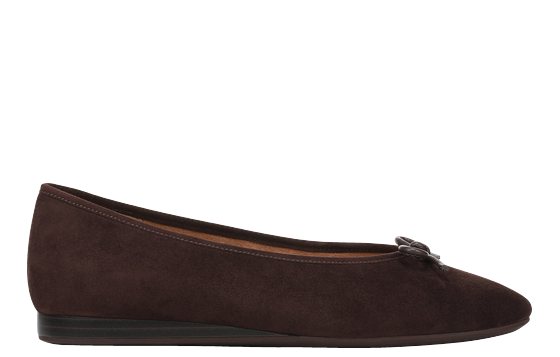
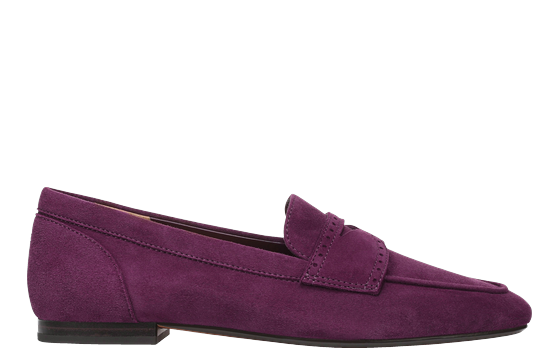
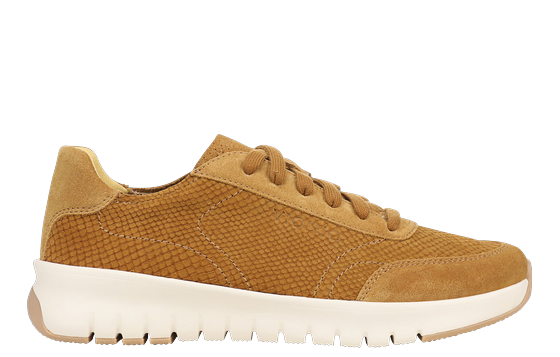
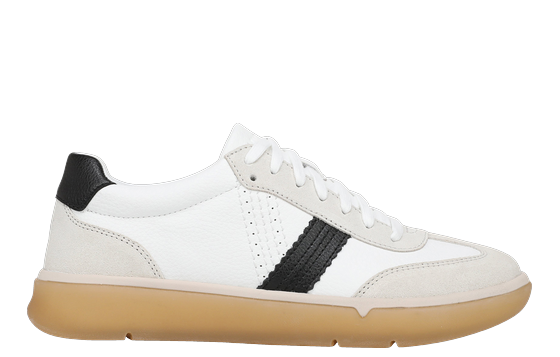
Whether you’re strolling the block, chasing steps between meetings, or hitting your neighborhood trail, Vionic has a shoe to keep you moving. Our men’s and women’s comfortable walking sneakers blend fashion and function, featuring APMA-accepted shoes , flexible soles, and elevated materials that look as good as they feel.
Looking for the perfect pick? Meet the Walk Max II , a walking essential with mesh uppers, durable rubber soles, and a molded footbed for all-day support. Designed with a wide fit and a just-right 1.13-inch heel, these sneakers are as stylish and supportive.
From lace-up active sneakers to sleek slip-ons, our walking styles are ready to take on your weight loss goals, and everything else on your calendar.
The Best Walking Shoes for Your Routine
Depending on your goals and walking environment, you’ll need different footwear. Our men’s and women’s comfortable walking sneakers blend fashion and function; they look as good as they feel. Here are our top recommendations:
- Everyday wear – The Walk Max II delivers maximum cushioning in a sleek, casual silhouette. Its breathable knit upper keeps your feet comfortable during longer walks, while the durable outsole provides lasting traction for indoor and outdoor walking.
- Performance walkers – The Walk Strider Knit Sneaker is engineered for walkers who want to increase their pace and intensity. This technical shoe features anti-roll technology, lateral rigidity, and flexibility to support efficient walking workouts.
- For men – The men’s Walk Max combines incomparable comfort with a versatile style that works equally well for exercise as it does for everyday wear. The lightweight midsole technology enhances your natural walking motion while providing support all day long.
- For adventuring – While not a shoe, the Walk Max Wanderer performance sandal features adjustable straps for a personalized fit and dual-density support in both the footbed and midsole, while the nitrogen-infused foam midsole adds flexibility and ease to every outdoor step.
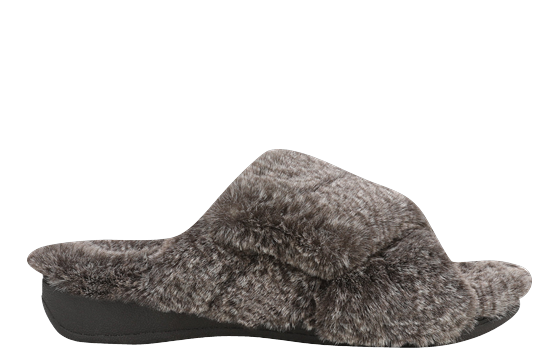
After your daily walk, slip into a pair of Rejuvenate Recovery Sandals . The adjustable straps, dual-density cushioning, and textured footbeds are the best way to show your feet some extra TLC with recovery footwear .
Common Walking Myths—Debunked
“You need to run to lose weight”
Not true. Running can be great for cardiovascular health, but walking, especially at a brisk pace, is just as effective for weight loss, especially when it fits better into your lifestyle. Plus, it’s easier on your joints, which makes it more sustainable in the long run (pun intended).
“Short walks don’t count”
Every step counts. Truly. A quick 10-minute walk after lunch? That’s physical activity. Parking farther away from the store entrance? That’s movement. These short bursts may not seem like much, but they add up throughout your day, especially when paired with healthy habits.
“You can out-walk a poor diet”
We wish. But unfortunately, no amount of walking can cancel out a consistently unhealthy diet. While walking helps burn calories and support your metabolism, pairing it with balanced nutrition is the real recipe for success. Think of walking and diet as teammates, they work best together.
Can Walking Help You Reach Your Goals?
When walking is enough, and when it’s time to adjust
So, is walking enough to lose weight? For many people, the answer is a resounding yes. If you’re walking consistently, moving with purpose, and pairing your routine with supportive footwear and mindful eating, walking can absolutely be a powerful part of your weight loss journey.
But if you find your progress stalling, don’t worry, it may just be time to increase your intensity, switch up your pace, or add in other activities like strength training to boost your calorie burn and build muscle.
Pairing walking with other habits for lasting results
Walking isn’t a quick fix, it’s a habit, a daily ritual, and a lifelong companion to better health. When you combine your walking routine with:
- Nutritious meals
- Plenty of water
- Quality sleep
- A healthy mindset
…you create the kind of lifestyle that leads to lasting change.
Feel good, look good, and keep moving with confidence
At the end of the day, the best weight loss plan is the one you’ll actually stick with. Walking fits into your life, adapts to your schedule, and shows up for you whether you’re starting small or chasing big goals. And with the right shoes? You’ll look just as great as you feel.
Walk Your Weight Off With Vionic
Walking offers a sustainable and fun path to long-term weight loss. It naturally integrates into your daily life while delivering measurable results.
Start with realistic goals based on your fitness level, celebrate your incremental progress, and trust the process. If you stay consistent, walking will soon become the foundation of your wellness lifestyle and an integral part of your weight loss plan.
If you’re ready to find the perfect footwear to support your walking routine, Vionic shoes and sandals are designed to enhance your natural gait while providing the stability and comfort your body needs for longer, more enjoyable walks.
Discover how the perfect combination of motion control, arch support, and shock absorption can elevate every step of your weight loss journey. Explore our stylish and expertly engineered walking shoes to keep you moving forward one comfortable step at a time.
Sources:
Hers. What is a Calorie Deficit? How it Impacts Weight Loss. https://www.forhers.com/blog/what-is-a-calorie-deficit
Healthline. What is a Calorie Deficit and How Much of One is Healthy? https://www.healthline.com/nutrition/calorie-deficit
Very Well Health. How Many Calories Do You Burn Walking a Mile? https://www.verywellhealth.com/calories-burned-walking-a-mile-8548541
Mayo Clinic. Metabolism and weight loss: How you burn calories. https://www.mayoclinic.org/healthy-lifestyle/weight-loss/in-depth/metabolism/art-20046508
Arthritis Foundation. 8 Ways Exercise Helps Your Joints. https://www.arthritis.org/health-wellness/healthy-living/physical-activity/getting-started/8-ways-exercise-helps-joints
Healthline . What Are the Benefits of Walking? https://www.healthline.com/health/exercise-fitness/benefits-of-walking#benefits-of-walking
North Dakota State University. Walking Can Help Relieve Stress. https://www.ag.ndsu.edu/news/newsreleases/2011/aug-8-2011/walking-can-help-relieve-stress/#:~:text=Research%20has%20shown%20that%20walking,pace%20promotes%20relaxation%2C%20studies%20indicate
Mayo Clinic. Walking: Trim your waistline and improve your health. https://www.mayoclinic.org/healthy-lifestyle/fitness/in-depth/walking/art-20046261
CDC. Adult Activity: An Overview. https://www.cdc.gov/physical-activity-basics/guidelines/adults.html
Medicine & Science in Sports & Exercise. American College of Sports Medicine Position Stand. Appropriate physical activity intervention strategies for weight loss and prevention of weight regain for adults. https://pubmed.ncbi.nlm.nih.gov/19127177/
The University of Kansas. 10,000 steps might really be the ‘magic pill’ everyone is seeking. https://www.kumc.edu/about/news/news-archive/jama-study-ten-thousand-steps.html
Harvard Health. Step up your walking workouts. https://www.health.harvard.edu/staying-healthy/step-up-your-walking-workouts
Very Well Health. Does Walking With a Weighted Vest Offer Health Benefits? https://www.verywellhealth.com/walking-with-a-weighted-vest-8674435#toc-weight-loss
Nutrients. Sleep Deprivation: Effects on Weight Loss and Weight Loss Maintenance. https://pmc.ncbi.nlm.nih.gov/articles/PMC9031614/