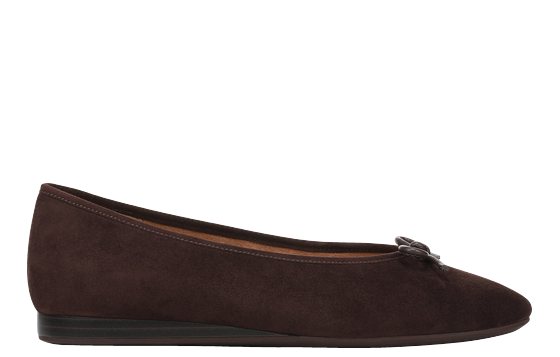

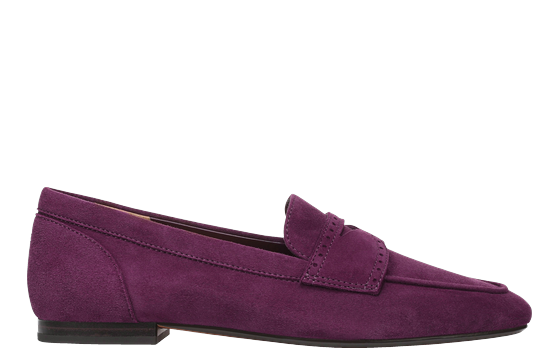
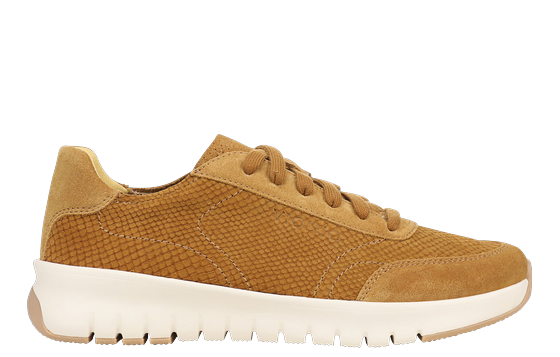
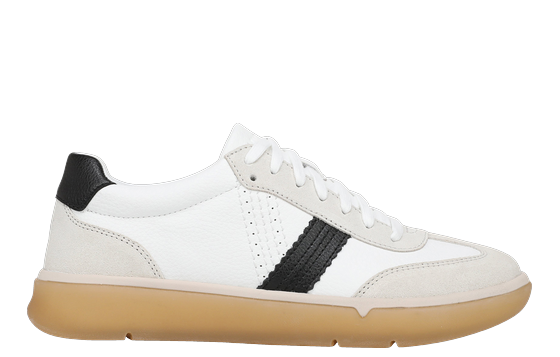


One of the best parts about loafers ? No laces, no fuss. You just slip them on and go. But that slip-on design means your loafers need to fit just right from the start. Too tight, and your feet will ache. Too loose, and you’ll spend your day dealing with heel slip or blisters.

Whether you’re slipping into a pair for the office, a casual dinner, or all-day travel, understanding how loafers should fit is the key to all-day comfort and confidence.
In this guide, we’ll break down exactly what a good loafer fit looks and feels like. From toe room to heel slip, we’ll cover everything you need to know to find a pair that not only looks polished but also supports your feet for all-day comfort you can count on.
Why the Right Fit Matters for Loafers
One of the best parts about loafers? They have a unique design: they’re backless (or low-backed) and typically have no laces or straps, which allows you to slip them on with ease. No laces, no fuss. You just slip them on and go. But that slip-on design means your loafers need to fit just right from the start. Too tight, and your feet will ache. Too loose, and you’ll spend your day dealing with heel slip or blisters.
A Poorly Fitting Loafer Can Ruin Your Day (and Your Outfit)
When loafers fit poorly, you might notice:
- Toes rubbing against the front or sides of the toe box
- Pain on the top of your foot where the vamp sits
- Heels sliding out when you walk (aka heel slip)
- Uncomfortable rubbing or pressure with or without socks
Even the most stylish design won’t save the day if you’re limping home before lunch. That’s why fit is everything. And if you’re wondering “ can you wear loafers with socks? ” the answer depends on the look and feel you’re going for—both options can work if the loafers fit correctly.
A Good Fit Blends Structure, Support, and Style
The best loafers feel snug, but never tight, when you first wear them. Over time, especially with leather styles, they’ll stretch slightly to match your foot shape. You want a little room in the toe area, a secure heel, and just enough structure to support every step.
How Loafers Should Fit: A Step-by-Step Feel Guide
The Toe Box: Roomy, but Not Boxy
Your toes should rest comfortably, lying flat without feeling cramped. There should be a slight space between your longest toe and the front of the shoe, think about a thumb’s width. This allows for natural movement and prevents discomfort during prolonged wear.
- Your toes should lie flat, not curl
- You should feel snug across the forefoot, not squeezed
- Especially in leather loafers, expect a slightly firm start that softens over a few wears
The Cleo Loafer for women, with its classic almond toe shape and premium materials, provides just the right amount of structure and space so your toes don’t feel pinched. This is especially important for those with wider feet or bunions.
The Heel: Snug with a Slight Lift (Not a Slide)
A well-fitting loafer will hug your heel securely. While a minimal heel slip is acceptable during the break-in period, excessive movement indicates a poor fit. Your heel should feel supported, not like it’s about to make an unscheduled exit .A secure, glove-like fit is ideal.
- A tiny bit of heel slip is okay at first, especially without socks
- If your heel lifts more than half an inch or slips out when walking, try a smaller size or a style with a more secure design
Vionic’s Uptown Loafer for women and men nails this balance with its refined design and structured silhouette. The premium materials gently mold to the foot while offering just enough give for movement, without sacrificing that essential “locked-in” feel.
The Thompson Loafer from Vionic’s men’s loafers collection features a design that helps prevent heel slip. With its contoured footbed and supportive insole, it helps anchor your foot in place from the first wear, while still giving it room to relax over time.
The Instep and Vamp: Secure Without Tight Pressure
The top part of the loafer, covering the instep, should feel comfortably snug. It should provide gentle pressure without pinching or causing discomfort. This ensures the shoe stays in place without restricting circulation.
- The vamp (top part of the loafer) should gently hug the top of your foot
- If it presses or rubs the instep, it’s probably too tight or the wrong width for your feet
Arch and Midfoot Support
Traditional loafers may lack proper arch support, which can lead to fatigue or discomfort over long periods. A well-fitting loafer should feel supportive underfoot, especially in the midfoot area, where your arch needs the most reinforcement.
This is where Vionic’s loafers really shine. They all feature Vio Motion technology , which supports the arch and promotes natural alignment with every step.
How to Know If Your Loafers Are Too Tight (or Too Loose)
Not sure if your loafers are working for you? Here are a few red flags that suggest they may not fit correctly:
- Blisters or chafing on the heels or sides – This usually indicates that there’s too much movement or friction, often caused by an overly loose fit around the heel or collar.
- Pinched toes or numbness – If your toes feel cramped or tingly, the toe box may be too narrow or shallow for your foot shape.
- Arch or ball-of-foot pain after wear – Discomfort in the midfoot or forefoot is often a sign that your loafers lack proper arch support or cushioning.
- Difficulty slipping the shoe on or off – If you struggle to get your loafers on (or if they resist coming off), they’re likely too tight at the instep or heel.
If you’re experiencing any of these issues, it may be time to reassess your size, try a different fit, or invest in a style with built-in support designed for all-day wear.
Pro tip: If you’re in between sizes, try going down a half size, many loafers run slightly large.
Finding Your Best Fit: What to Try at Home
Getting the fit just right sometimes takes a little trial and error. Here’s how to wear loafers in and find your match.
Wear Them Around the House to Break Them In (Gently)
Before taking your new loafers on a day-long adventure, wear them indoors for short periods. This allows the material to adjust to your foot shape gradually, reducing the risk of blisters and discomfort.
- Pair with thin socks on your first few wears
- Give leather time to adjust to your foot shape
- Try walking around carpeted surfaces for comfort
Use a Shoehorn to Protect the Structure
Employing a shoehorn when putting on your loafers preserves the heel’s shape and prevents unnecessary wear. This simple tool can extend the life of your shoes and maintain their fit.
Don’t Ignore Foot Shape — Wide Fits Matter
Recognize your foot’s unique dimensions. If you have wider feet, seek out brands that offer wide-fit options to ensure comfort without compromising style. A proper width prevents squeezing and allows for natural movement. That’s why brands like Vionic offer wide-width loafers that give your toes more room without compromising style.
Do Loafers Stretch Over Time?
Loafers will typically stretch slightly as you wear them, especially those made with high-quality leather or suede. The material will soften, the interior should mold to your foot shape, and small fit imperfections may resolve on their own over time. That said, the right pair shouldn’t require a painful break-in process.
Here are a few tips to help your break-in go smoothly:
- Wear them around the house with socks for short periods
- Use a shoehorn to avoid crushing the heel
- Don’t try to “speed break-in” by wearing them for several hours on the first day
Vionic’s Cleo and Thompson loafers feature premium leathers designed to gently mold over time, giving you the “custom-fit” feel after just a few wears, without the blister phase.
Should You Size Up or Down in Loafers?
Since loafers don’t have adjustable closures, sizing accuracy is especially important. Here’s how to choose the right size:
- If you’re between sizes – If you’re between shoe sizes, consider the material of your loafers. If they’re made with soft leather or stretch-friendly materials, you’ll want to size down slightly for a snugger fit.
- If you have wide feet – If you have wider feet, you’ll want to look exclusively for brands that offer wide-width options (like Vionic), and prioritize loafers with a more forgiving toe box.
- If you have narrow feet – For narrow feet, choose loafers that are tailored and snug around the instep, or consider using insoles to fill extra space without losing support.
Getting the right size from the start will help reduce the break-in period and ensure long-term comfort. Since loafers don’t offer a lot of adjustability, even small sizing tweaks can make a big difference in how supported and secure your feet feel throughout the day.
How to Style Loafers for All-Day Wear
Once you’ve found the right fit, loafers can quickly become one of the most versatile shoes in your wardrobe. Whether you’re dressing up or down, they add effortless polish across a wide range of styles and settings.
Check out these practical styling types to help you get the most out of your loafers, from morning meetings to weekend plans:
- Pair them with cropped ankle-length pants – Showing a bit of ankle keeps your outfit feeling modern and helps highlight the shoe. Try the Cleo or Uptown loafers with tailored trousers or straight-leg jeans for a clean, elevated look.
- Balance structure with softness – Loafers bring a crisp, refined vibe, so they pair beautifully with soft layers like knits or oversized shirts. The Thompson Loafer adds a sharp edge to more relaxed pieces like chunky sweaters or jersey basics.
- Use them to anchor bold prints or colors – A neutral loafer can ground statement pieces, while a textured or colored loafer (like suede or patent leather) can serve as the focal point of a minimalist outfit.
- Mix casual and tailored elements – One of the best things about loafers is their ability to move between formal and casual. Wear them with denim and a tee for off-duty ease, or with structured layers for a more dressed-up effect.
- Keep proportions in mind – Loafers work well with slim, straight, and slightly wide-leg pants. Just make sure your hem doesn’t pool over the shoe; instead, cuffed or cropped styles are ideal for showing them off.
With the right supportive styles, you don’t have to choose between aesthetics and comfort. The right pair will keep up with you, whether you’re headed to the boardroom, out for dinner, or simply running errands in style.
Step Into Comfort That Lasts with Vionic
Finding the perfect loafer isn’t just about style; it’s about how your feet feel after a full day of movement. From securing a snug-but-not-tight fit to ensuring just enough toe room and minimal heel slip, a well-fitting loafer should feel like a natural extension of your stride.
Paying attention to support, especially in the arch and midfoot, can make a world of difference in both your comfort and overall foot health. When you’re ready to enjoy a pair of shoes that truly blend fashion with function, choose Vionic . Our loafers offer our signature Vio Motion technology, providing you with the support and craftsmanship your feet deserve—every step of the way.
Sources:
Erie Foot Doctor. Top 5 Signs Your Shoes Are Contributing to Foot Pain. https://www.eriefootdr.com/blog/top-5-signs-your-shoes-are-contributing-to-foot-pain-5
Size Chart Guru. How Should Loafers Fit? https://www.sizechartguru.com/how-should-loafers-fit/
Stridewise. How Should Loafers Fit? https://stridewise.com/how-should-loafers-fit/